How Much Does It Cost To Go To The Field Of Lights?
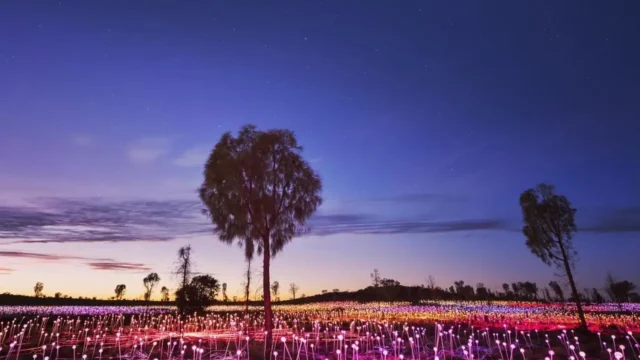
How much does it cost to go to the Field of Light? Most people shell out anywhere from $55 to $135 per adult, and that can vary a lot depending on what package you go for, what time of day you visit and whether you decide to splurge on things like the dune top viewing platform or a fancy dinner like the Sounds of Silence one – all the extras can add up.
I’ve been taking travellers around Australia’s Red Centre for years, showing them the sights from Ayers Rock Resort right through to the countryside around Uluru and Kata Tjuta, and the truth is planning a visit to the Uluru Field of Lights doesn’t have to be a mystery of trying to figure out how to splash out on all the upgrades, luxury coaches and optional extras.
When Bruce Munro first unveiled this epic solar-powered light show – I think its full title is Tili Wiru Tjuta Nyakutjaku (Looking at Many Beautiful Lights) – I remember thinking you’d have to budget for it. So, today we’re going to run through every experience from those glass spheres, the twinkly light spindles and self-guided walking tours to the more premium experiences like A Night at Field of Light.
Contents
- 1 What You’ll Actually Pay
- 2 Why Prices Change So Much (And How To Save Money)
- 3 Standard Entry — The Best-Value DIY Experience
- 4 Add Transfers — Safer and More Comfortable
- 5 The Field of Light Star Pass — The Perfect Middle Ground
- 6 A Night at Field of Light — The Premium Dining Experience
- 7 Sunrise at Field of Light — The Quietest, Coolest Option
- 8 Extra Costs Travellers Forget
- 9 How To Choose the Experience
- 10 Traveller-Tested Money-Saving Tips
- 11 FAQ
What You’ll Actually Pay
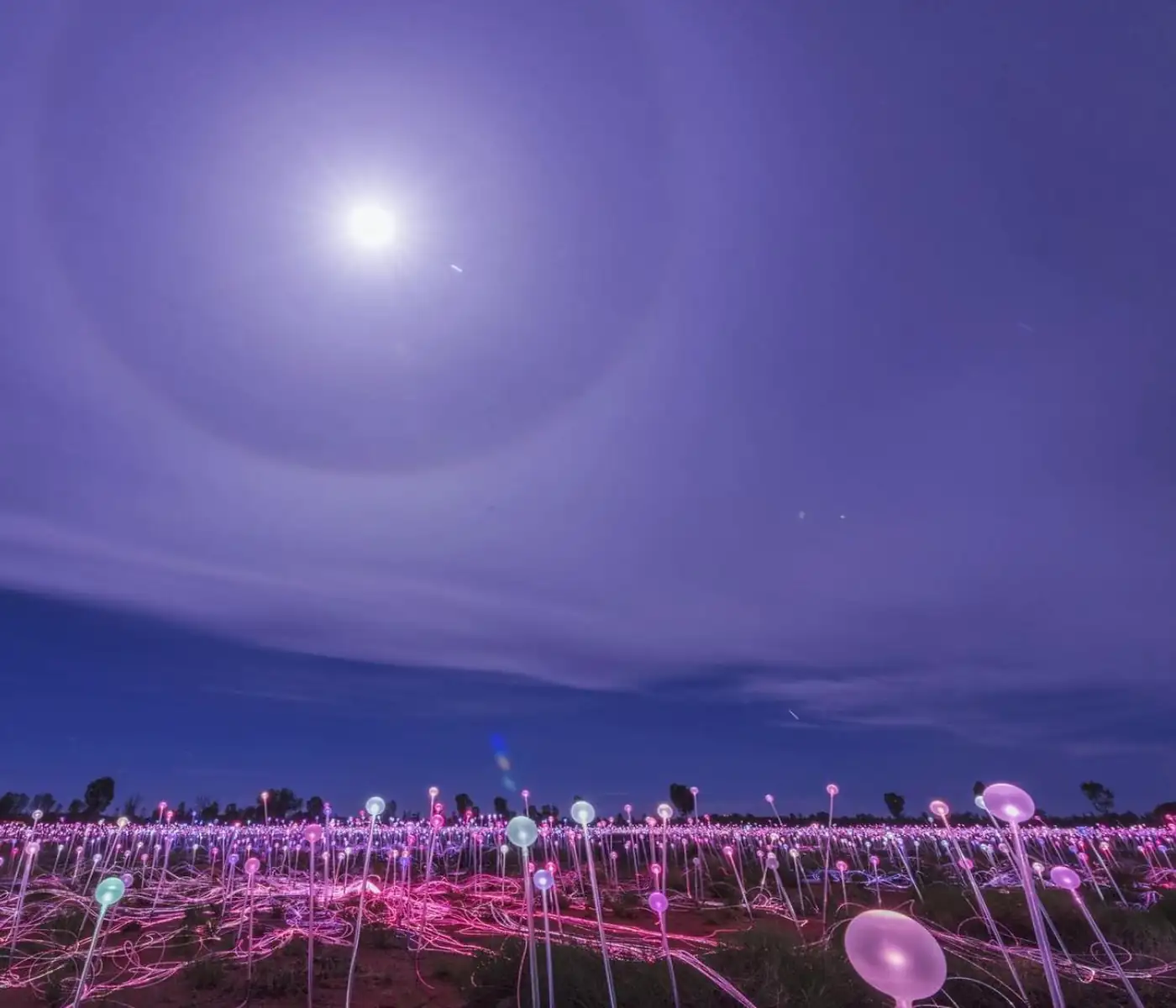
Before you head off into a beautiful night of 50,000 glowing frosted-glass orbs, let’s get down to the nitty-gritty – what are the prices?
Price Guide (Indicative 2025 — Seasonal Variations Apply)
| Experience | Adult Price (AUD) | Child Price | Includes | Notes |
|---|---|---|---|---|
| Standard Field of Light Entry | $55–$75 | ~$39 | Self-guided walk, access to the light installation | Cheapest option |
| Field of Light With Return Transfers | $89–$105 | ~$59 | Hotel pick-up, transfers by luxury coach, commentary | Best for most travellers |
| Field of Light Star Pass | $130–$150 | ~$65 | Dune top viewing area, sparkling wine, outback-inspired canapés | Best value upgrade |
| A Night at Field of Light | $300–$385 | N/A | Bush tucker dinner, storytelling experience, astronomy session | Premium |
| Sunrise Tour (Uluru Sunrise & Field of Light) | $110–$135 | ~$59 | Sunrise access, hot chocolate, and entry to the sunrise viewing platform | Quietest + coolest |
Why Prices Change So Much (And How To Save Money)
Sunset or sunrise tours tend to cost more because they often include perks like sitting high on the dunes with a drink in your hand, canapés, or exclusive access to a super nice viewing spot. It’s your extra packages, like the Star Pass, By Night Experience, or Sunset Premium Experience, that add those special touches to the experience – but the standard walk itself doesn’t change; it’s still the triumphant art installation.
I’ve seen loads of people get talked into buying extras they really didn’t need just because they didn’t know the difference. If you’re putting together bigger itineraries, like a full Uluru-style trip, it’s a good idea to pair things sensibly so you don’t double up on the same experiences.
Standard Entry — The Best-Value DIY Experience
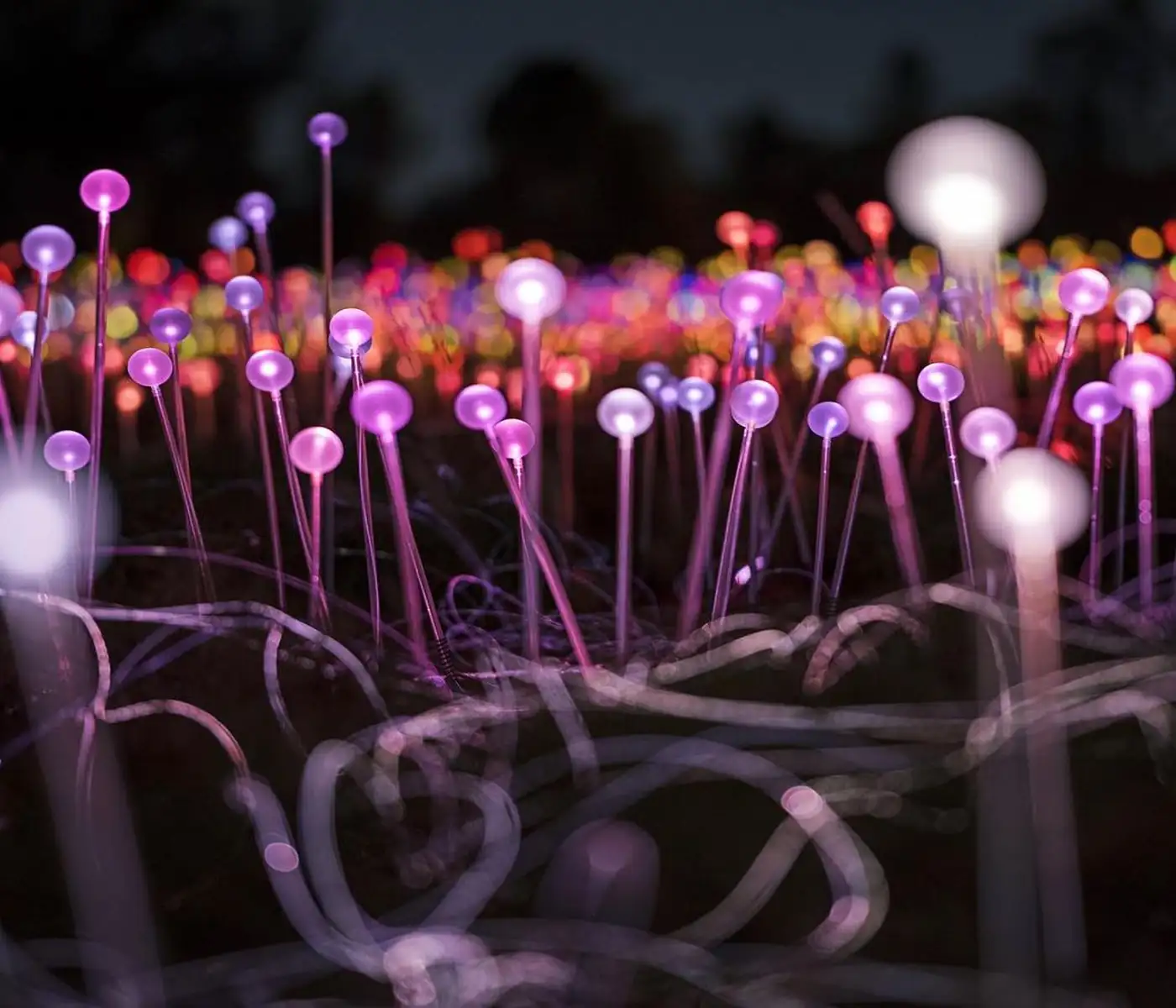
If you’re happy to get to the site on your own, the standard self-guided walk still offers full access to Munro’s spindles of light, the glowing stems and fibre-optic cables stretching out across the desert – it’s just as impressive as the more expensive options.
Perfect For:
- Folks on a budget
- Those who like exploring independently
- Anyone who likes to take their time and grab a few extra photos
Paul’s Tip:
Bring a water bottle and don’t forget your head torch either. By night, the Outback sky is really dark.
Add Transfers — Safer and More Comfortable
Even if you’re used to long road trips, driving at night in the Outback is a very different story. Wildlife, the open road and complete darkness are a bad combination.
A transfer ticket takes care of it for you. Companies like Tours Uluru will pick you up at your hotel, provide background on the Outback, and then drive you to the Outback in comfy vehicles.
Good For:
- Pretty much everyone – especially families, first timers and anyone who doesn’t want to take their chances with the wildlife.
The Field of Light Star Pass — The Perfect Middle Ground
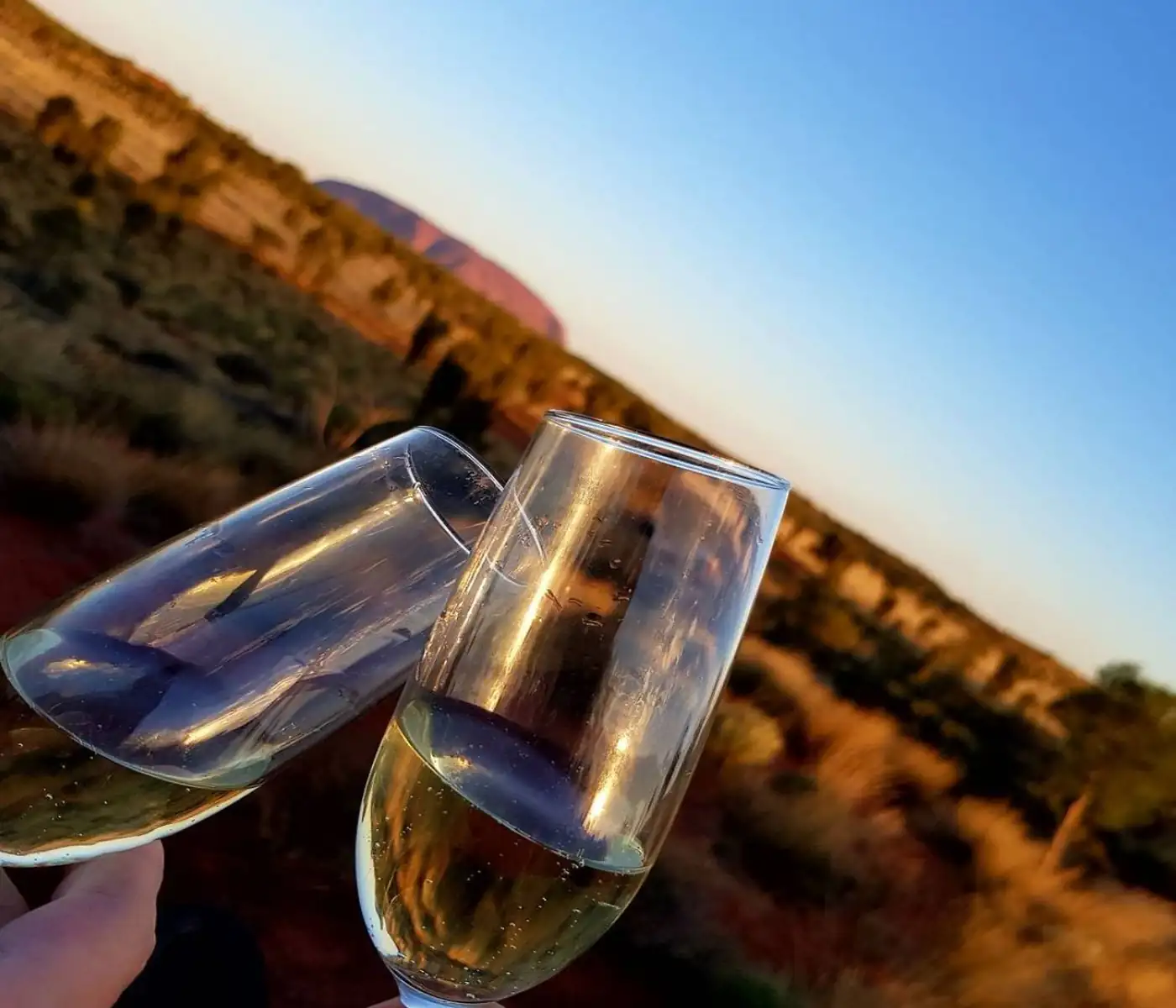
The Field of Light Star Pass gives you a great sunset over Uluru, access to the dune top viewing area with sparkling wine and canapés – and to be honest, the food is actually pretty good, not like some of those dodgy resort buffets you might be used to.
Why It Works:
- Elevated viewing area with a great view
- Nice colours as the desert changes with the light
- Fewer people than the other options
- The guides give some great stories and insights
Paul’s Take:
If you’re travelling with the family or marking a special occasion, then this is my go-to experience.
A Night at Field of Light — The Premium Dining Experience
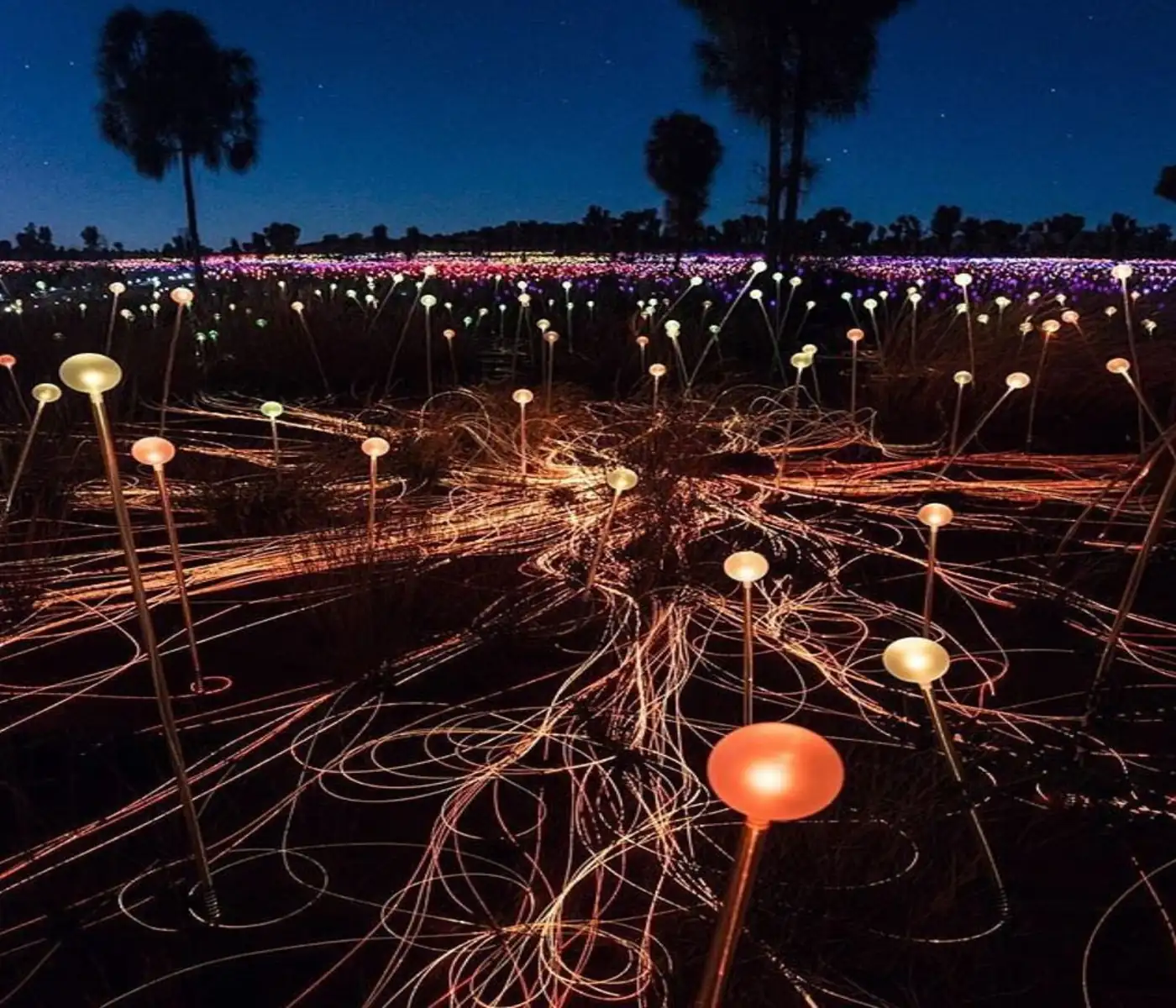
This night out in the outback feels like a sophisticated play on star-gazing over the desert, drawing on the magic of the Sounds of Silence Dinner. Think fine Australian wines, the kind of laid-back performances that’ll transport you to another world, and expert astronomers to point out the night sky.
You’ll Get:
- A full-on bush tucker dinner that will blow your mind
- Some seriously good storytelling – and then there’s stargazing
- Before the crowds arrive the next morning, you get to experience the installation in peace
Avoid If:
If you’re lugging the family along, late nights and sand can be a recipe for disaster.
Sunrise at Field of Light — The Quietest, Coolest Option
Seeing the installation fade into morning light over Uluru and Kata Tjuta (Kata Tjuṯa) is an experience you won’t soon forget. You’ll be sipping on a warm cup of hot chocolate, standing on the sunrise viewing platform and soaking up a stillness that feels almost otherworldly.
Best For:
- Those who love snapping photos
- Introverts looking to escape the world
- Early risers who want beat the heat
- Anyone who wants to experience something peaceful and serene
Extra Costs Travellers Forget
You’ve booked your Field of Light experience – now let’s talk about those sneaky extras that catch out more tourists than you’d care to admit.
No National Park Pass Required
Field of Light is located outside Uluru-Kata Tjuta National Park, so you won’t need to worry about the park pass unless you’re also planning to tackle the Ayers Rock Base Walk, stop at Mutitjulu Waterhole, or check out the Aboriginal rock paintings.
Accommodation Pick-Up Differences
Don’t be confused – pick-up points vary for:
- Discovery Resorts (G’day Group)
- Emu Walk Apartments
- Voyages Travel Centre
Just be sure to check your hotel pick-up time.
Weather Matters
Be prepared for:
- Dry season: it can get pretty chilly – pack some layers
- Hot season: it’s like walking into a blast furnace – don’t forget to drink plenty of water
- Storm season: the skies in the Western Desert region can get pretty wild
Seasonal Pricing and Booking Patterns
We can see a clear pattern emerging:
- June–August: peak demand – expect to pay top dollar
- April–May & Sept–Oct: a nice balance between price and availability
- Nov–March: it’s the cheapest time, but try to avoid the heat
How To Choose the Experience
A couple once booked A Night at Field of Light with a toddler and newborn. Wrong product for the right place. Use this simple guide:
| Traveller Type | Best Option | Why |
|---|---|---|
| Budget Travellers | Standard Entry | Lowest price |
| Families | Transfer + Standard | Simple, safe, early finish |
| Photographers | Star Pass or Sunrise | Best light + best colours |
| Romantics | A Night at Field of Light | Dining + installation stroll |
| Introverts | Sunrise Tour | Peaceful, cool, stunning |
Traveller-Tested Money-Saving Tips
After 20 years running tourism operations and hosting thousands of travellers, here’s the lowdown on what actually cuts costs without sacrificing the fun
- Book Your Trip Early
You’d better believe dry season fills up fast – especially for those sunrise departures on Trip Code: FOL. - Mix and Match Tours For a Better Deal
Combining the Field of Light with other Uluru experiences through a company like AAT Kings or Voyages often knocks off 10–15% of the cost. - Fuel Up Before Non-Dining Tours
If you don’t need to book a dinner experience at the resort, then skip the food prices. - Bring What You Need – Don’t Rely On The Resort
A good water bottle, a few layers for cooler evenings and decent shoes will make your life a whole lot easier. - Be Prepared For The Heat
If you’re coming from somewhere like the Blue Mountains, the heat of a Northern Territory November is going to hit you like a ton of bricks.
FAQ
Do I need a park pass for the Field of Light?
Nope – it’s all outside of Uluru-Kata Tjuta National Park.
How long does the tour last?
Most experiences will last 2–3 hours, depending on what they include.
Can I bring a stroller or mobility aid?
There’s disabled access, but be aware that some paths are pretty sandy – best to check with the tour operator first.
Can I photograph everything?
You bet – the fibre-optic light stems are a photographer’s dream.
Is sunrise or sunset better?
Sunrise is the quieter one, sunset brings out better colours over Uluru – and both are bloody magic.