Kangaroos in Kakadu National Park?
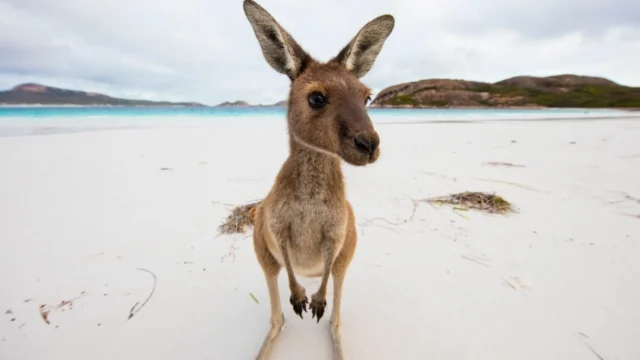
Kakadu National Park is one of Australia’s most famous destinations, known for its Aboriginal culture, stunning landscapes and wildlife. But one question many visitors ask is: Are there kangaroos in Kakadu?
The short answer is yes – but not the kind you might expect. The park is home to a wide variety of macropods, plus reptiles, birds and it’s alive with life in the dry and wet season. Many visitors on Darwin to Kakadu tours are surprised to find out just how many different animals there are.
Contents
Species You Might See

Kakadu is home to a wide variety of macropods, the marsupial family that includes kangaroos, wallabies and wallaroos. These species are not only ecologically important but are also part of the stories of the traditional owners and Aboriginal people of this region.
The most common macropods found in Kakadu are:
- Antilopine Kangaroo (Macropus antilopinus): Often called the “red kangaroo of the north”, these kangaroos prefer open woodlands and savannah. They are the largest kangaroo species in the Top End and are often seen on scenic flights or guided walks.
- Agile Wallaby (Macropus agilis): Very common and often seen near water, the agile wallaby is smaller and lighter than most kangaroos and is an important food source for native predators.
- Black Wallaroo (Macropus bernardus): A rare and elusive species that lives in rocky escarpments in the western parts of Kakadu, particularly near the Arnhem Land plateau.
You won’t find the iconic Red Kangaroo (Macropus rufus) in Kakadu – they prefer more arid inland areas and alpine regions – but the region is full of macropods adapted to tropical and monsoonal climates.
Top Kangaroo Spots
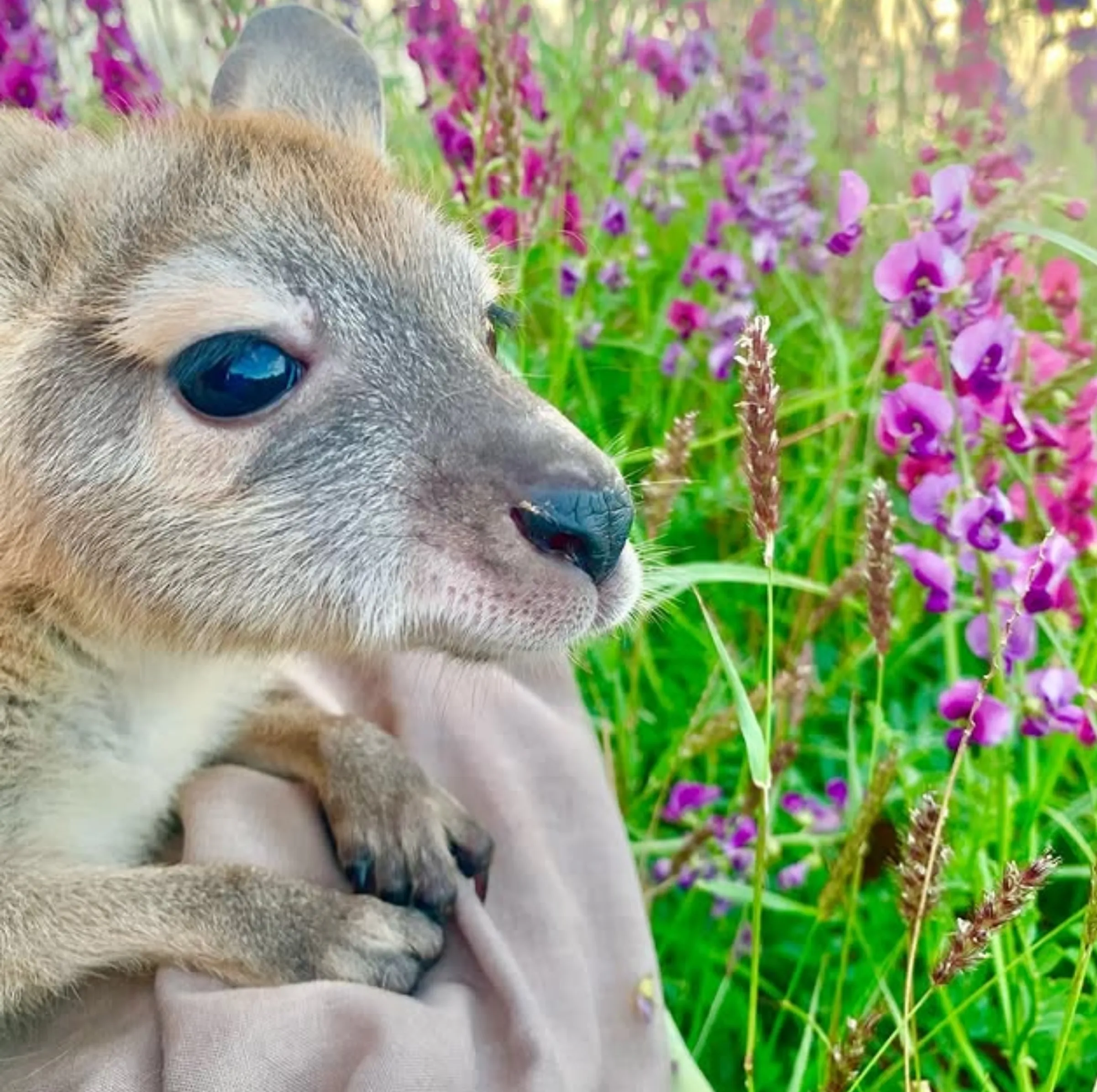
Spotting kangaroos in Kakadu requires knowing where to look and when. They are most active during the cooler parts of the day: early mornings and late afternoons. Best places to look:
- Open woodlands and eucalypt forests in the southern part of the park, perfect for the bigger ones like the antilopine kangaroo.
- Coastal heathlands and monsoon forest areas, where the smaller wallabies live.
- Billabongs and river mangroves—these are hotspots in the morning as wallabies come to drink and forage.
- Rocky escarpments, especially in the Burrungkuy area, are home to the shy black wallaroo.
Going with a tour company like Wayoutback Tours will increase your chances of seeing these animals as their guides know animal behaviour and the best viewing spots. These Kakadu tours often include sunrise and educational commentary on the area’s unique ecosystems.
Animal Kingdom

Beyond kangaroos, Kakadu is teeming with life. Over 280 bird species—one third of all bird species in Australia—are here, from the jabiru to the rainbow bee-eaters. Reptiles like the death adder and water pythons are native to this environment, while an increasing number of invasive species is a challenge to the natural balance.
Kakadu’s landscapes, from rainforests and monsoon rainforest zones to sun-baked savannas, offer a variety of microclimates that support this amazing biodiversity. Wildlife enthusiasts often combine crocodile tours in Darwin with an inland trip to see the full range of the Top End’s wildlife.
Macropods in the Ecosystem
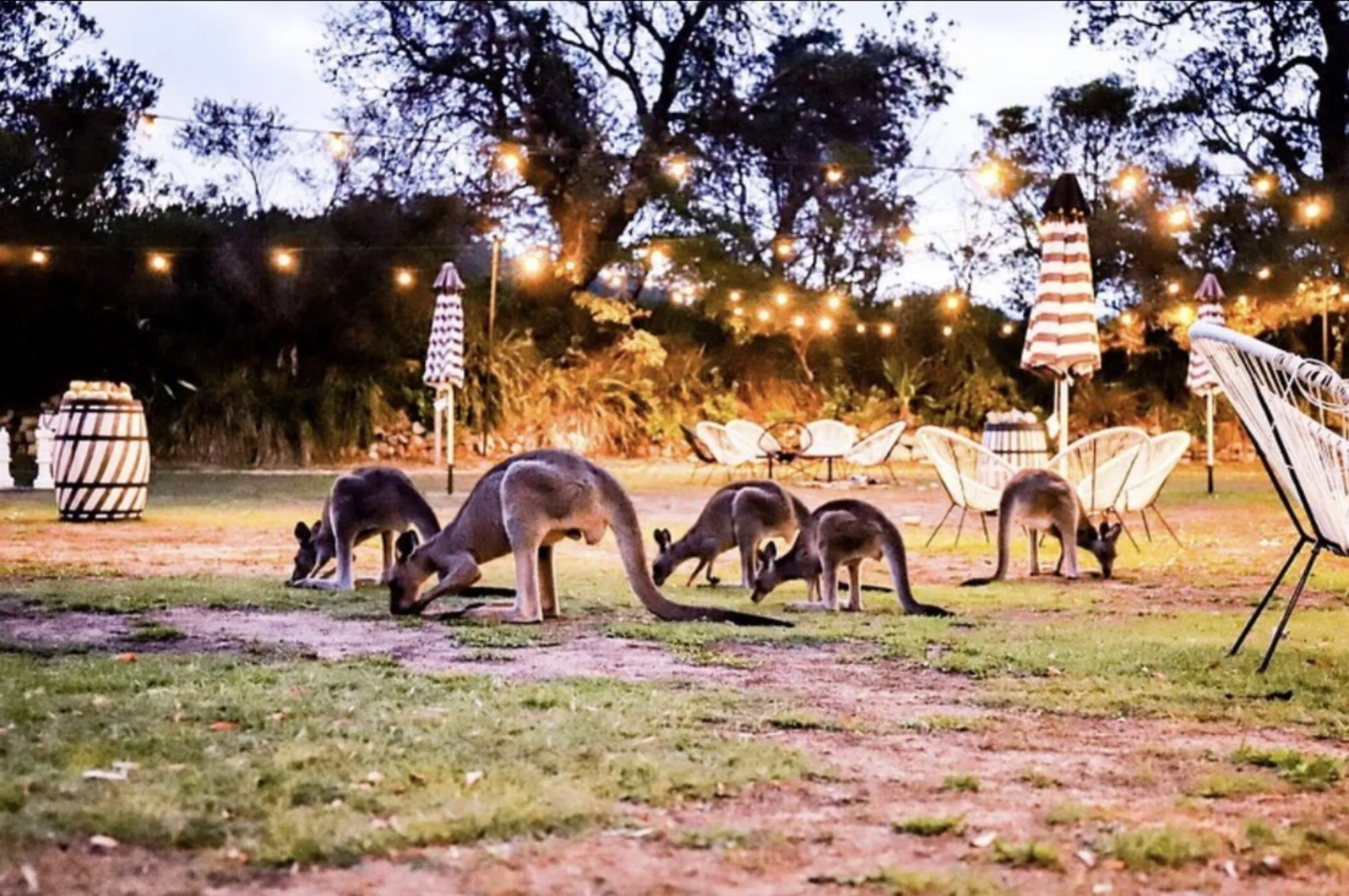
Macropods play a crucial role in the ecosystem. Their grazing patterns maintain vegetation balance and their movements disperse seeds across different habitats. As prey they are a food source for dingos and birds of prey. And culturally they are important, featured in Dreamtime stories and traditional practices of the Aboriginal people.
Balancing the species, native and invasive, is key to preserving the region’s biodiversity. Macropods, birds, reptiles and even the land itself are part of a connected system, respected and protected by Kakadu’s traditional owners.
Dry Season vs Wet Season
Wildlife ViewingKakadu’s weather affects wildlife viewing. During the dry season (May to October) the humidity is lower and the vegetation is sparse, making animals easier to see. Trails are open and scenic flights reveal dry riverbeds, open plains and active waterholes. It’s the perfect time for adventure tours and multi-day safaris.
In the wet season (November to April) the park becomes a green oasis. Waterfalls are in full flow, the wetlands are a river, bird activity is at its peak and the monsoon forests are in bloom, attracting animals to feed and mate. Travel is more challenging but those who venture out will see Kakadu at its best.
Nearby Destinations to Add to Your Experience
To really get to know the Northern Territory, many people visit Kakadu with other amazing places:
- Litchfield National Park: Famous for its crystal clear swimming holes, magnetic termite mounds and easily accessible waterfalls.
- Nitmiluk Gorge (Katherine Gorge): River cruises through towering sandstone gorges and canoeing adventures.
- Arnhem Land: A remote area east of Kakadu where you can get up close to Aboriginal culture and art.
Each of these areas complements Kakadu’s diversity making the Top End a complete and unforgettable destination. Many Kakadu tour include visits to these places as part of their itineraries.
Food and Culture
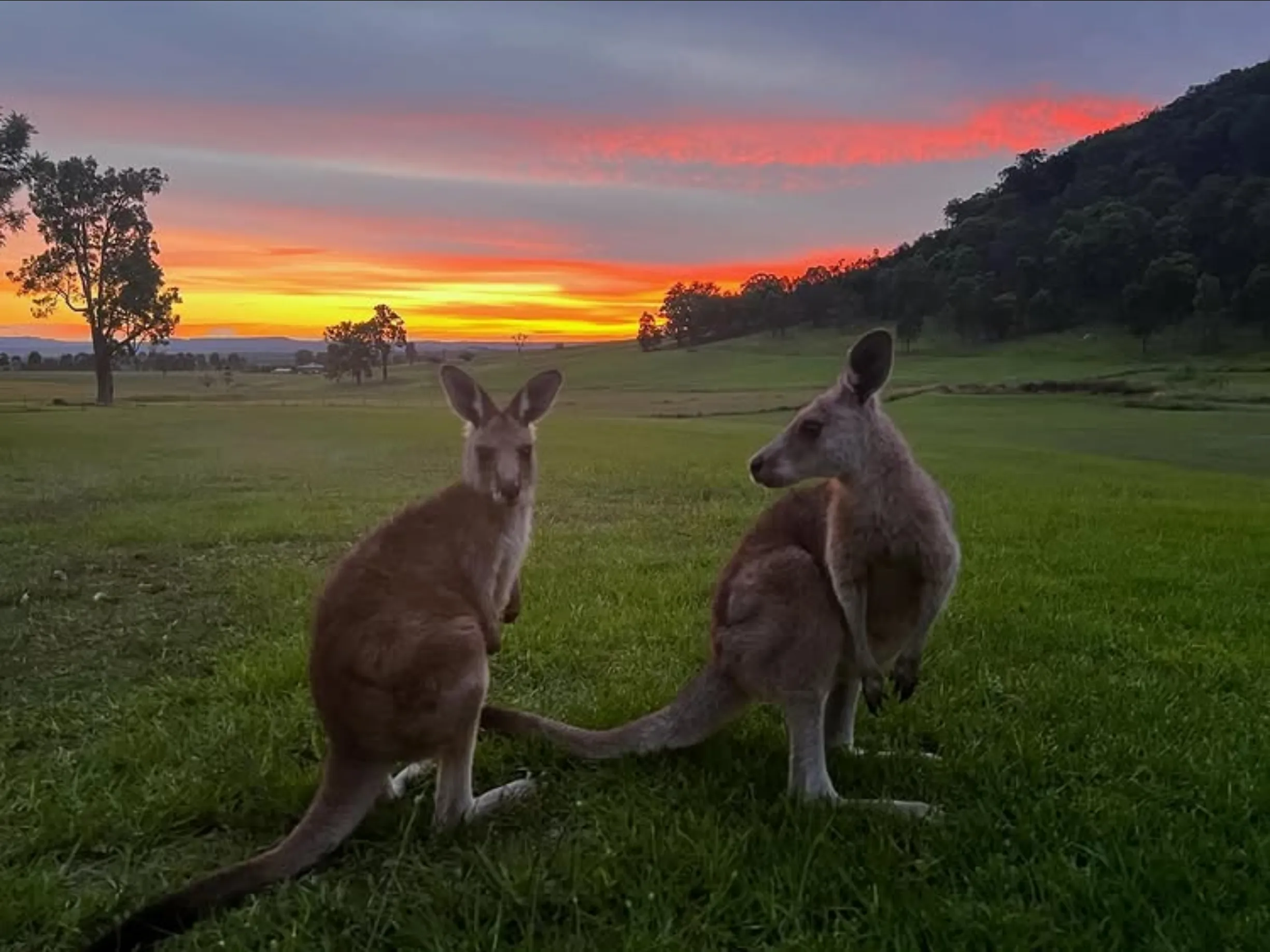
Kakadu is not just about wildlife; it’s also a destination for cultural discovery and food. Local communities offer bush tucker tours where you can taste native ingredients used by Aboriginal people for thousands of years. Seasonal food festivals also happen during the dry season showcasing local produce.
Learning from the park’s traditional owners adds to the travel experience, connecting you with thousands of years of Indigenous knowledge, stories and sustainable living practices.
The Bottom Line
Yes, there are kangaroos in Kakadu—but that’s just the beginning. This special place is a biodiversity hotspot where ancient traditions, ecological significance and natural beauty come together. Whether you’re on a sunrise walk through eucalypt forests, flying over floodplains on a scenic flight or sharing stories with local guides, Kakadu is an adventure like no other.
From black wallaroos hiding in rocky crevices to wallabies hopping along monsoon rainforest tracks, every moment in Kakadu reveals a piece of Australia’s wild soul. It’s not just about wildlife—it’s about connection, discovery and respect for a land that’s been thriving for tens of thousands of years.
FAQ
Are there red kangaroos in Kakadu?
No, red kangaroos live in the arid inland regions of Australia. Kakadu has antilopine kangaroos, agile wallabies and black wallaroos.
What time of day can I see kangaroos in Kakadu?
Early morning and late afternoon are the best times to see kangaroos and wallabies when they are most active.
Can I see kangaroos all year round in Kakadu?
Yes, kangaroos and wallabies are present all year round, but more common in the dry seasons (May to October).
Where can I see kangaroos in Kakadu?
Open woodlands, grasslands, eucalypt forests, coastal heathlands and rocky escarpments are the best places to see kangaroos and wallabies.
Are kangaroos dangerous to humans in Kakadu?
Generally kangaroos and wallabies are shy and will avoid humans. But always keep a distance and never feed or touch them.